
When Adult Friendships Quietly Fade: Lessons in Leadership, Loss, and Grace
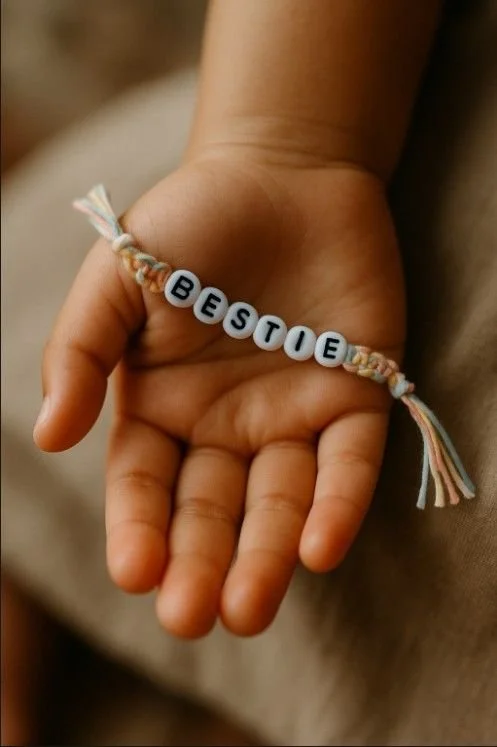
Losing a close friendship in adulthood isn’t something we talk about enough—especially as women navigating careers, parenting, and leadership.
Recently, a long-standing friendship in my life quietly dissolved. No conflict. No big falling out. Just a gradual but complete disappearance—texts unanswered, invitations ignored, presence withdrawn. And despite occasional reassurances like “You’re still one of my best friends,” her actions said otherwise.
This experience has been painful on multiple levels. Not just for me—but for my daughter, whose best friend was her daughter. Watching an 11-year-old grapple with being excluded, ghosted, and confused has forced me to ask:
How do I model emotional resilience when I’m still figuring it out myself?
As a leader and a parent, I believe in transparency, emotional honesty, and showing up even when things get uncomfortable.
This kind of “quiet quitting” in relationships—withdrawal without conversation or closure—teaches us what we value most: Communication. Accountability. Clarity.
We talk about “quiet quitting” at work. But it happens in life too. And it can leave just as much damage when we choose avoidance over honesty.
Here’s what I’m learning:
1. Closure isn’t always granted. But self-respect is.
2. It’s okay to grieve a friendship while still leading with compassion.
3. Our children AND our teams are always watching how we respond to
rejection, disappointment, and change.
4. In work or life, the absence of feedback is still feedback.
So, I’m choosing to model grace. Not perfection. And to stay open to the people—and relationships—that grow with me, not away from me.
If you’ve experienced this kind of quiet loss: You’re not alone. It’s okay to talk about it. And it’s okay to keep your heart open.s.
